Bike Control: Riding Slower Than You Ever Have
When we explain bike control to someone who's never played, we usually start by saying that riding the bike is only half of it. In polo, you ride while doing something else entirely: chasing a ball, swinging a mallet, covering the goal, and trying not to run into your other players.
And you do all of that while other people are trying to take the ball away from you.
That's why July's skill focus is bike control. Shooting, passing, and defense all sit on top of it, so it's worth some time on its own.
What bike control means on the court
Bike control is moving your bike on purpose, even when you’re barely moving, changing direction, or surrounded by other players. It’s knowing how your bike will respond before you commit to a move, and putting it exactly where you meant to.
Many new players assume the fastest rider has the advantage. Speed helps, but some of the most useful polo skills happen at a crawl. Balancing almost in place, turning tight, and stopping and starting without putting a foot down often decide who keeps the ball.
Why your feet matter
Putting a foot down during play is called dabbing. Under the NAH ruleset, a player who dabs is out of play until they touch their mallet to the boards at half court, on either side. That's called tapping in. In a three-on-three game, losing a player for even a few seconds can open up the court, so every dab costs your team something. Better bike control means fewer dabs and more time in the game.
If you're brand new, don't worry about this yet. At GVL pickup, new players don't have to tap in after dabbing while they're getting used to riding one-handed. Dab as much as you need to while you learn.
The skills that make it up
Trackstanding. Balancing on your bike while staying nearly still. You’ll rock a little forward and back, making small adjustments with your bars and pedals to stay upright. It’s useful when you’re waiting for an opening, marking a player, or holding your spot without touching the ground.
Tight turns. Changing direction in a small space without swinging wide into someone or giving up your position. You’ll learn to shift your weight, turn the bars, and use your momentum to carry the turn. Sometimes that’s carving around an opponent. Sometimes it’s a quick U-turn to get back into the play.
Slow-speed balance. Staying upright at speed is one thing. Staying upright at walking pace while you’re watching the ball, managing your mallet, and tracking the player coming at you is another. The better your slow-speed balance, the more options you have.
Starting and stopping. Sounds simple until you’re doing it mid-game. You need to accelerate when a gap opens and stop under control when someone cuts you off. Doing both without dabbing matters; it keeps you ready for whatever happens next.
Riding backward. Some players learn to roll backward while staying balanced. It lets you adjust your position without making a full turn, which helps when space is tight. It’s a harder skill, and a handy one to have.
Using your bike to hold space. Your front wheel, frame, and body all work to block a lane, shield the ball, or make it harder for someone to get around you. That means knowing where your bike is in relation to everyone else, usually without looking down.
Ways to practice
You can work on most of this on your own, in a driveway, a quiet street, or an empty lot. A few to try:
Slow race. Line up with friends and ride to a finish line as slowly as you can. The last person across without dabbing wins.
Curb trackstand. Rest your front wheel against a curb or face a slight uphill. Both make it easier to find the balance point. Once that feels steady, try it on flat ground.
Figure eights. Set two cones or water bottles a few bike lengths apart and ride figure eights around them. Move them closer as you get better.
One-handed riding. In a game, one hand is on your mallet, so practice steering and braking with just the other hand. Once that's comfortable, carry a mallet while you ride.
Stop on a line. Pick a crack in the pavement and try to stop with your front wheel right on it, feet up.
A few setup notes
How your bike is set up affects how it handles. Most polo players run a low gear, which makes it easier to accelerate from slow speeds and to hold a trackstand. Your brake lever should be on the side of your non-mallet hand, since that's the only hand on the bars during play. If you're riding one of our loaner bikes, ask someone at pickup to help adjust the seat and check the brake before you start.
Your bike becomes part of how you play
One of our favorite things about polo is how quickly you stop thinking of your bike as transportation and start thinking of it as an extension of your body.
You start to feel where your wheels are pointed. You learn how much room a turn takes. You recognize when you can squeeze through a gap and when you need to hold your position. Eventually a lot of those movements become instinctual, which frees more of your attention for the ball and the game.
Bike control also shows up in everything else you do. If you’re fighting for balance, your swing gets less accurate. If you can’t turn tightly, it’s harder to put pressure on an opponent. If you can’t stop where you want, you might miss a defensive chance or end up out of position when a teammate passes to you.
Good bike control usually isn’t flashy. Sometimes it’s staying upright while everyone around you scrambles for the ball. Sometimes it’s one small adjustment that gives you more room to take a shot.
You don’t have to be a cyclist
You don’t need a road racing background, mountain bike experience, or any tricks, though some of this can certainly help. Most bike control comes from practicing small, deliberate movements and getting comfortable in situations a casual ride never puts you in.
The goal isn’t a perfect maneuver every time. It’s being comfortable enough on your bike to make a decision and trust yourself to follow through.
Because in bike polo, the ball is moving, opposing players are closing in, and your teammate is yelling that they’re open. You don’t have time to think through every move your bike needs to make.
You just need to ride.
Come play with us
We play Tuesday evenings and Saturday afternoons at Gateway Park in Travelers Rest, and Sunday afternoons at Malvern Hills Park with AVL Bike Polo.
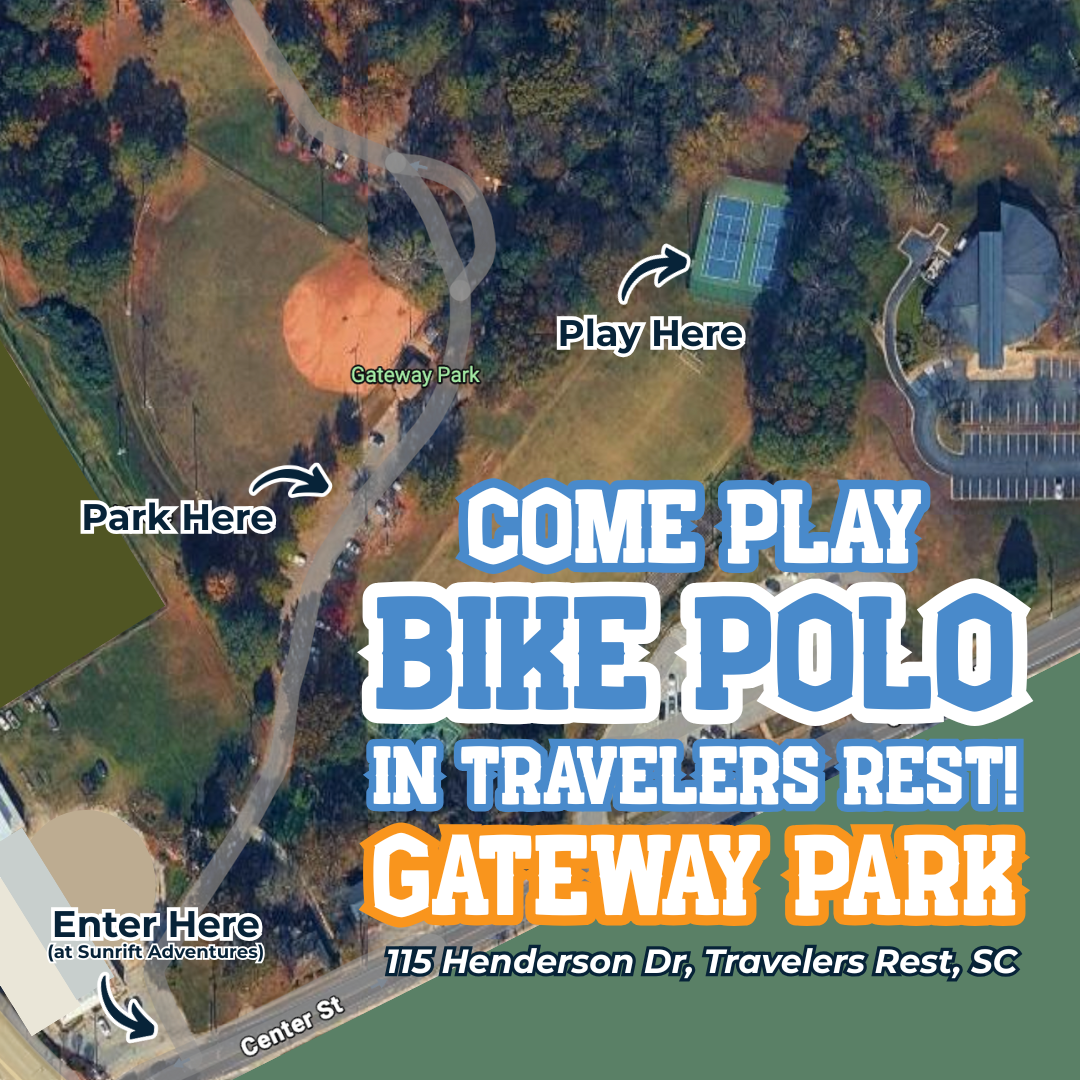
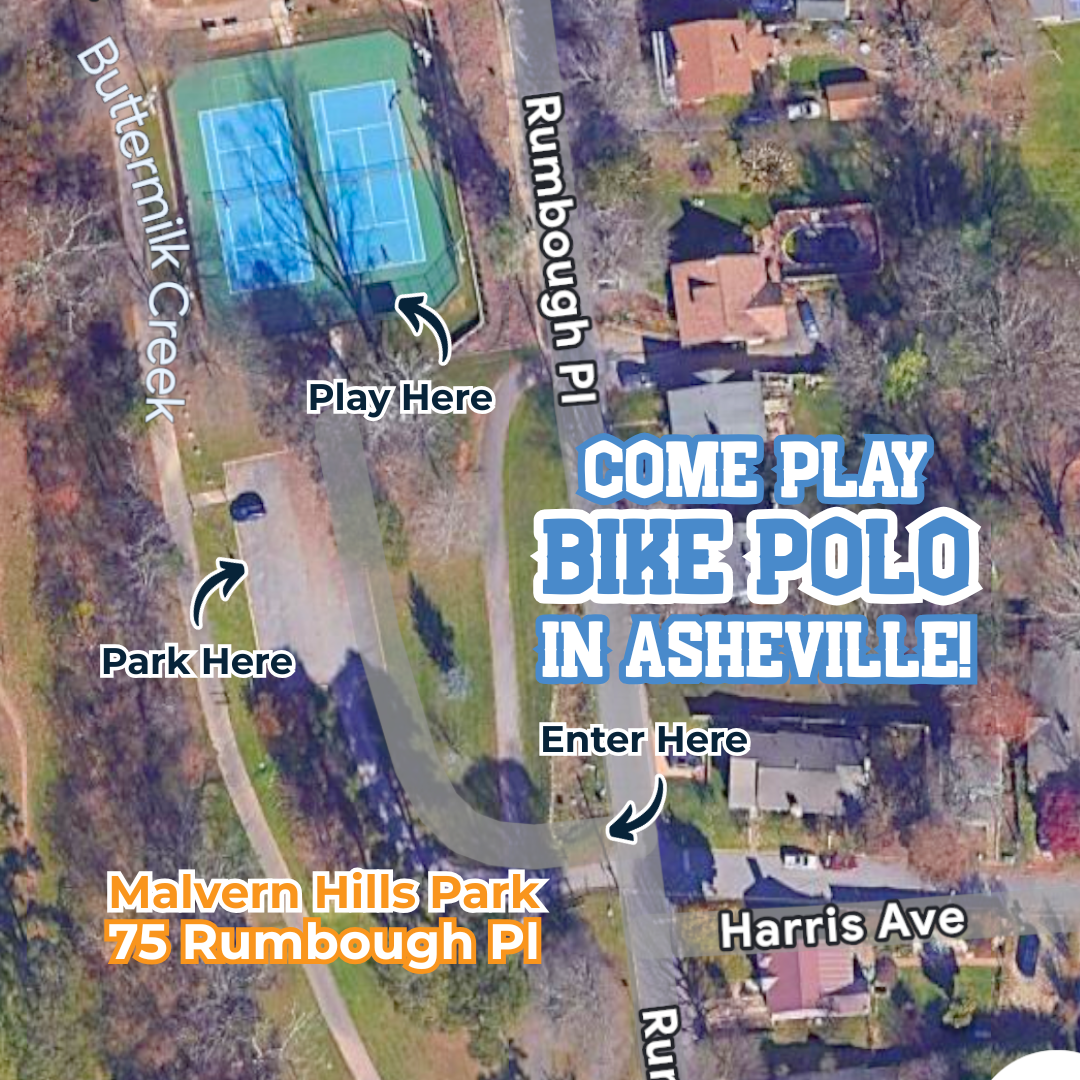
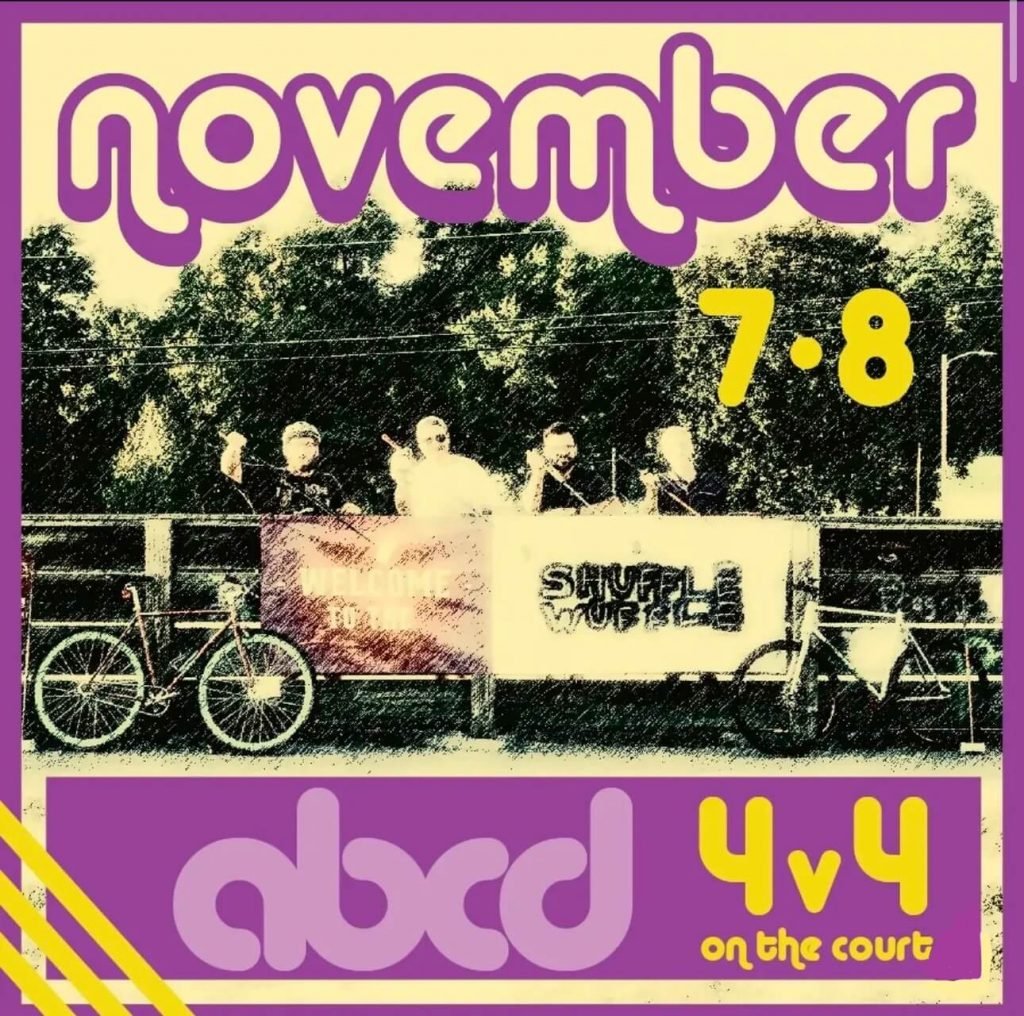
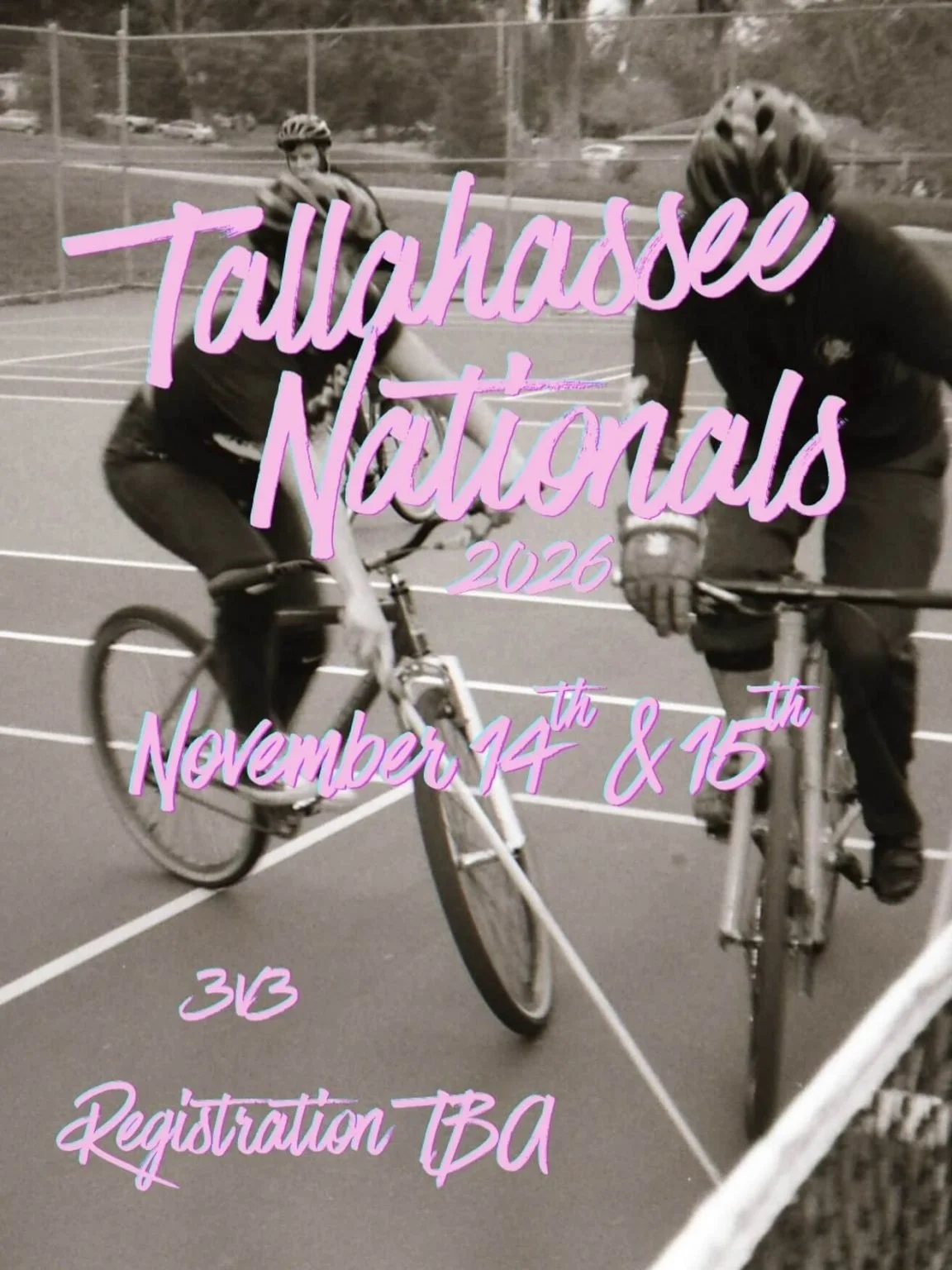
You also don’t have to master any of it before you play. You can work on trackstands, tight turns, and clean stops a little at a time, and games will teach you the rest. We have loaner bikes if you want to try before you commit to building one.
Follow @GVLBikePolo on Instagram for updates.